In almost every industry, “Let’s make a video” has become the default answer to brand, HR, and sales problems—but most of those films never do what they were supposed to do. They get low watch time, zero enquiries, and are quietly abandoned by the sales or HR teams that were supposed to use them. The issue isn’t that video as a medium doesn’t work; it’s that a lot of corporate video production ignores the fundamentals that professional film makers treat as non‑negotiable.
Below is a breakdown of why so many corporate videos flop—and how professional corporate film makers fix each problem.
1. The Real Reasons Corporate Videos Fail
1.1 No Clear Objective or Audience
Many videos begin with “We need something around 3–4 minutes about the company” and never get more specific than that. There’s no single, sharp answer to questions like: who exactly is this for, what do we want them to feel, and what must they do after watching? Without that, you get a vague film that tries to be awareness, sales, recruitment, and investor pitch all at once—and ends up doing none of them well.
Professional teams start by locking one primary goal per video (for example, “book a demo” or “attract plant engineers for hiring”), which shapes everything from script to runtime.
1.2 Weak Script, No Story
Most failed videos are essentially PPTs read out loud: features, dates, milestones, and department names stitched together without a narrative spine. Buyers and candidates don’t connect to lists; they connect to people, conflict, and journeys, which is what a proper brand storytelling video gives them.
Strong corporate films frame the customer, employee, or founder as a protagonist, define a real problem or ambition, and then show how the brand helps resolve that tension. When that arc is missing, the video feels long even at 90 seconds.
1.3 Generic, Off‑Brand Content
Another common failure mode: the video could belong to any company in your category. Stock shots of skylines, laptops, random happy people, plus a “we are committed to excellence” voiceover that could fit 100 other logos. On top of that, visuals, tone, and text often don’t match your actual brand identity, which weakens recognition and trust.
Professional video production companies audit your brand guidelines—colors, typography, tone of voice—and design frames that look and sound like you, not like a generic corporate template.
1.4 Low Production Values That Kill Credibility
Viewers might not know the technical terms, but they instantly notice shaky framing, harsh shadows, muffled audio, or awkward edits. Poor sound is especially damaging; people will tolerate average visuals, but they will not sit through echo, hiss, or inconsistent volume. These cues subconsciously tell them, “This company cuts corners,” which is the last association you want around your brand or product.
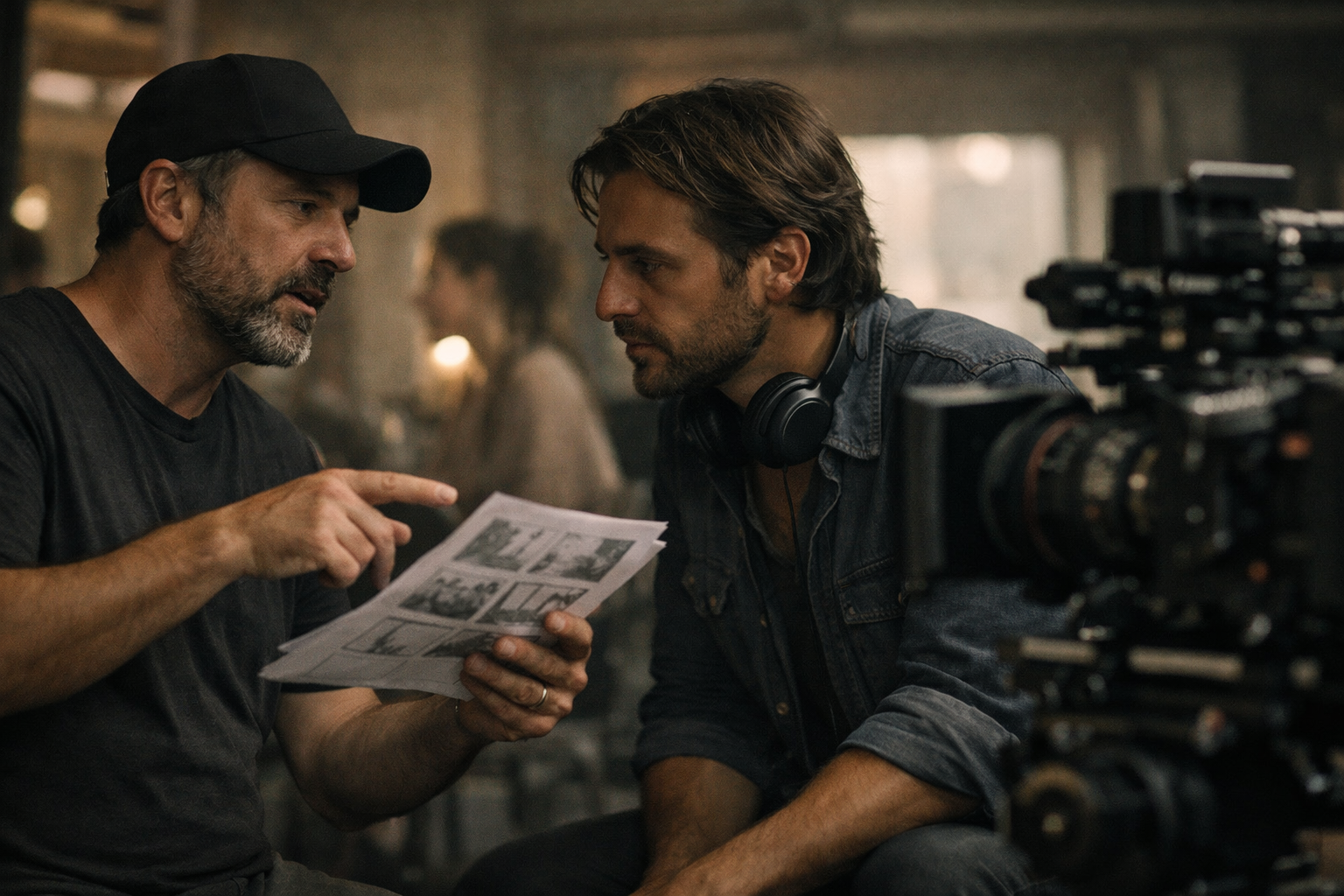
By contrast, professional video production teams bring proper pre‑production (blocking, shot lists), quality lenses and lighting, clean sound capture, and polished editing that feels smooth even when the viewer can’t say why.
1.5 Too Long, No CTA, No Plan to Distribute
A lot of corporate films are 5–8 minutes simply because “everything is important.” In reality, attention curves show steep drop‑offs even on shorter content if you don’t hook viewers early and keep momentum. Also, many videos end with nothing more than a logo fade; no one is told what to do next—visit, apply, call, scan, or sign up.
Finally, there is often no distribution strategy; the file is uploaded to YouTube “for the link” and maybe embedded on one web page, then forgotten. That’s not marketing—that’s archiving.
2. How Professional Film Makers Fix All of This
2.1 Strategy Before Script
Good corporate video production starts with a workshop, not a camera. Teams clarify:
- Primary audience (e.g., plant heads, parents, CFOs)
- Single main objective (enquire, schedule a visit, apply, subscribe)
- Key messages and mandatory points
- Platforms and formats (website hero, LinkedIn, internal townhall, paid ads)
This upfront work is why pro projects feel sharper; every creative choice is tied back to purpose.
2.2 Turning Information into Story
Experienced corporate film makers take your raw information—history, capabilities, milestones—and filter it through story structure:
- Who is the human at the centre (customer, employee, founder)?
- What problem, risk, or ambition do they face?
- What obstacles make that hard?
- How does your company change that outcome?
They also write for video, not for brochures: short sentences, visual cues, and emotional beats that work with performances, locations, and music.
2.3 Designing for Brand, Not Just “Nice Shots”
Pros audit your existing assets and then decide a visual language: camera movement, color palette, typography, framing style, and pacing that reinforce your positioning (e.g., warm and human vs. precise and high‑tech).
That way, your brand storytelling video becomes part of a coherent ecosystem: website, deck, print, and social all feel like chapters of one story, not random executions.
2.4 Raising Craft Without Wasting Money
A good video production company knows where craft matters most to viewer perception and where you can stay efficient:
- Invest in: audio, lighting on faces, key location choices, production design in hero shots.
- Streamline: b‑roll days, efficient scheduling, reusing setups, shooting modular content that can be cut multiple ways.
This is how professionals deliver films that look far more expensive than they actually were—because the budget went into moments that audiences actually feel.
2.5 Keeping It Focused, Actionable, and Visible
Professional teams will push you to:
- Trim scripts ruthlessly so each video serves one clear job, often 60–180 seconds for external use.
- Bake in the call‑to‑action from the first draft—URL on screen, QR, form link, “talk to sales”, “book a campus visit”, etc.
- Plan distribution: hero cut for the website, shorter cutdowns for social, vertical edits for Reels/Shorts, maybe a version tailored for events.
That’s the difference between “we have a video” and “this video brought us X enquiries or Y applicants.”
3. When You Should Definitely Call Professionals
You don’t need an agency for every single clip. But you do want professional video production services when:
- It’s a flagship company film or plant/office showcase you’ll use for 1–3 years.
- The audience is high‑stakes: investors, global clients, potential hires for critical roles.
- The shoot involves multiple locations, cities, or languages.
- You need to reposition your brand and can’t afford a “just okay” first impression.
If it’s a quick internal update or a simple one‑minute thank‑you from the founder, an in‑house or DIY setup can be enough. For anything that defines how the market sees you, it’s safer to lean on specialists.
4. How to Brief Corporate Film Makers for Success
Even the best team can only work with the inputs they get. To set up your project for success:
- Be brutally clear about the #1 goal of the video.
- Describe your ideal viewer as specifically as possible.
- Share brand guidelines and examples of content you like and dislike.
- List non‑negotiables (compliance, certifications, facilities that must appear).
- Agree early on formats and channels so they can frame and pace correctly.
This turns your agency or studio from “vendor” into a creative ally.
Conclusion: Corporate Videos Don’t Have to Be Forgettable
Most corporate videos don’t fail because video is overrated; they fail because they’re treated like checkboxes instead of strategic, story‑driven assets. When corporate video production is handled the way professional teams approach it—starting with objectives, building real stories, respecting craft, and planning distribution—your films begin to work as real sales, HR, and brand tools, not just nice‑to‑have collateral.
If you already have a few “dead” videos lying on your YouTube channel, use this lens to spot what went wrong—and make your next one with professional corporate film makers who know how to fix it.