Something shifted in the way Indian businesses communicate, and it did not happen slowly. In 2026, a procurement head in Delhi is researching vendors on YouTube before taking a single call. A CFO in Bangalore is watching a three-minute brand film before agreeing to a meeting. A hiring manager in Mumbai is sharing a company culture video in a WhatsApp group before an offer letter goes out.
The decision was already half-made before any human conversation began.
This is the market corporate India is operating in right now. Attention has moved to screens, trust is being built or lost before the first handshake, and the brands that understand this are investing in corporate films not because it is a trend but because it is the only format that does everything at once. It informs, it shows, and it makes an audience feel something before they ever walk into a room.
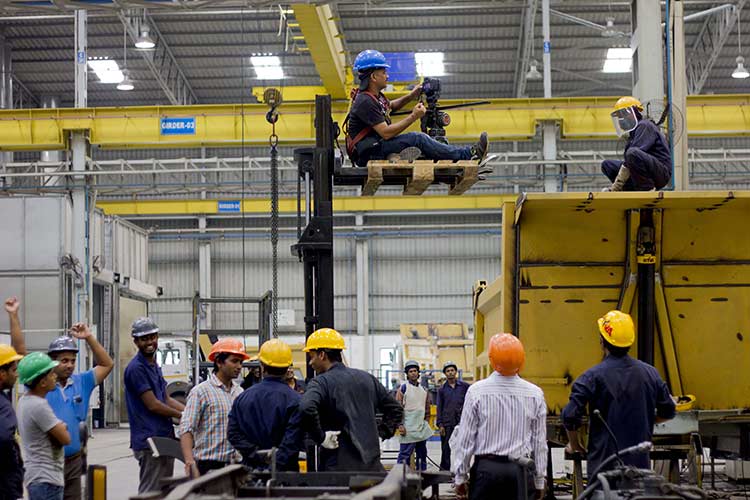
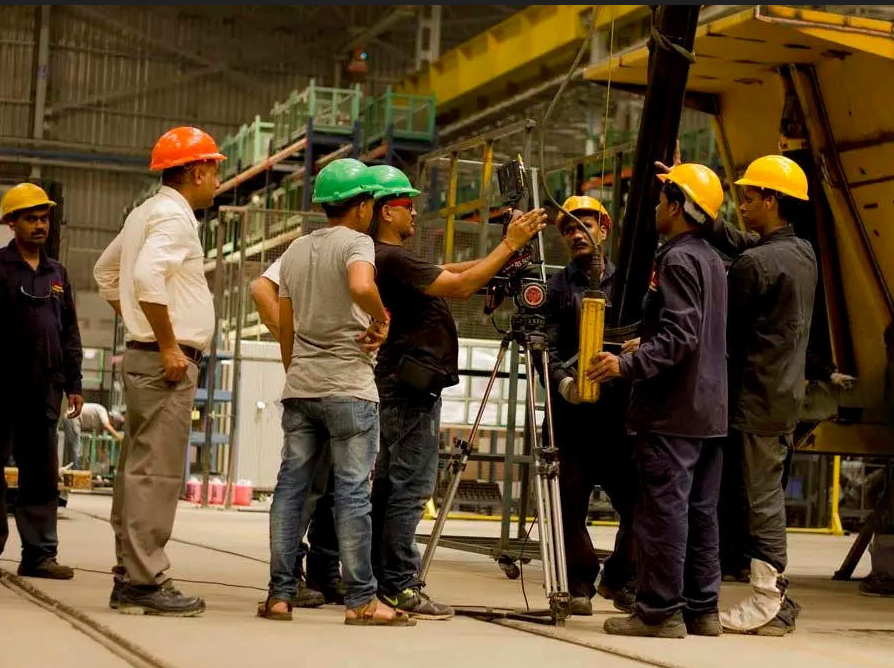
Across industries, the investment is real and it is growing. Manufacturing companies are making films about their production processes and the people behind them. Infrastructure brands are documenting project journeys that span years and multiple geographies. Financial services firms are putting their leadership on camera to communicate credibility in a way no annual report can. Healthcare companies are filming the ground reality of their work because data alone stopped being convincing a long time ago.
The brief is no longer about having a corporate film. It is about having the right one.
A large part of this shift is being driven by something very practical. Businesses are finding that their audiences are actively searching for them before any conversation happens. A company that has invested in a well-produced corporate film services shows up differently in search results, stays longer in a viewer’s attention, and gets forwarded in ways that a PDF or a capabilities deck never does. The film becomes the first impression, the trust signal, the thing that moves a cold lead to a warm one without a single sales call being made.
What a Corporate Film Does for Your Business
A corporate film is not a single-purpose asset. When made with intent, it works across every stage of your business communication simultaneously.
It builds credibility before the first meeting. A client who has watched your film already knows how you think, how you work, and what you stand for. They walk into the room with context, not questions.
It travels where your sales team cannot – A well-made film gets forwarded in WhatsApp threads, shared in email introductions, embedded in pitch decks, and played at trade events. It represents your brand in rooms you were never invited to.
It shortens the sales cycle – When trust is already established through film, the conversation moves faster. The client is not spending the first three meetings assessing you. They are already thinking about the project.
It works internally as powerfully as it works externally – Training films, HR films, internal communication films, and leadership messages delivered through video keep large teams aligned, informed, and connected to the organisation’s direction, regardless of geography.
It compounds in value over time – Unlike a campaign that runs for a quarter and disappears, a corporate film keeps working. On the website, in the investor deck, at the annual event, inside the onboarding kit. The production cost is fixed but the returns keep accumulating.
Why Corporate Films Generate Higher Engagement Than Traditional Business Content
Most businesses think engagement comes from getting more views. In reality, engagement comes from giving people a reason to care. A corporate film does that by turning information into a story and a company into something people can relate to.
Most businesses are still trying to communicate important information through PDFs, presentations, lengthy emails, and static web pages. The problem is not the information itself. The problem is attention.
People do not engage with content simply because it exists. They engage with content that feels easy to consume and worth remembering.
A well-made corporate film combines visuals, emotion, voice, environment, and storytelling into a single experience. Instead of asking someone to read twenty slides about your company, it allows them to understand who you are, what you do, and why it matters in just a few minutes.
This changes how audiences interact with your brand.
A prospective client is more likely to watch a short film than read a capabilities document. A potential employee is more likely to connect with real people on screen than a list of company values on a careers page. An investor gains confidence faster when they can see operations, leadership, and culture rather than relying entirely on written reports.
The result is deeper engagement because the audience is not just receiving information. They are experiencing it.
Also read our recent blog: Corporate Film vs Brand Film – What They Actually Means And Why Most Companies Get It W
This is why the most effective corporate films are designed around people, not presentations. They focus on real stories, real challenges, and real outcomes. When viewers see themselves reflected in those stories, attention lasts longer and trust develops naturally.
The strongest businesses understand that engagement is not measured by views alone. It is measured by how long people stay interested, what they remember afterwards, and whether they choose to take the next step.
That is where thoughtful corporate film production creates its greatest value. It turns passive viewers into active participants in your brand story.
There was a time when a corporate film was made for one occasion and retired the moment that occasion passed. A product launch, a leadership summit, an investor visit. Once the event was done the file was handed over and the film disappeared into a folder nobody opened again.
One room. One occasion. One shelf. That was the old model.
A well-planned corporate shoot today produces a three-minute brand film for the website, a sixty-second version for LinkedIn, a thirty-second cut for digital pre-roll, individual testimonial clips for sales conversations, motion graphics for presentations, and behind-the-scenes content for Instagram, all from one day of production. The same investment that once served a single boardroom now works across every platform, compounding in value every month without any additional spend.
The film itself has also changed. The old corporate film was built entirely from the inside out. Who we are, what we do, how long we have been doing it. It spoke at the audience instead of speaking to them.
What gets made today starts from the other side of the equation.
What does this audience need to believe before they work with us. That question changes the location, the casting, the script, and the edit. Instead of the CEO reading prepared remarks you have the factory floor worker explaining why he has not missed a deadline in six years. Instead of an aerial shot of the headquarters you have a client describing the moment a problem got solved. The brand earns its place in the story rather than demanding attention, and that is the difference between a film that builds trust and one that simply fills a brief.
In 2026, corporate films are not a marketing luxury. They are the most practical communication asset a business can own, one that works before the meeting, during the pitch, after the contract, and everywhere in between.
If your brand has a story worth telling, a corporate film is how you make sure the right people find it.